THE FUTURE OF ART: KYLIE JAMES ON MAKING ART COLLECTING MORE ACCESSIBLE
Thursday 6th August 2026
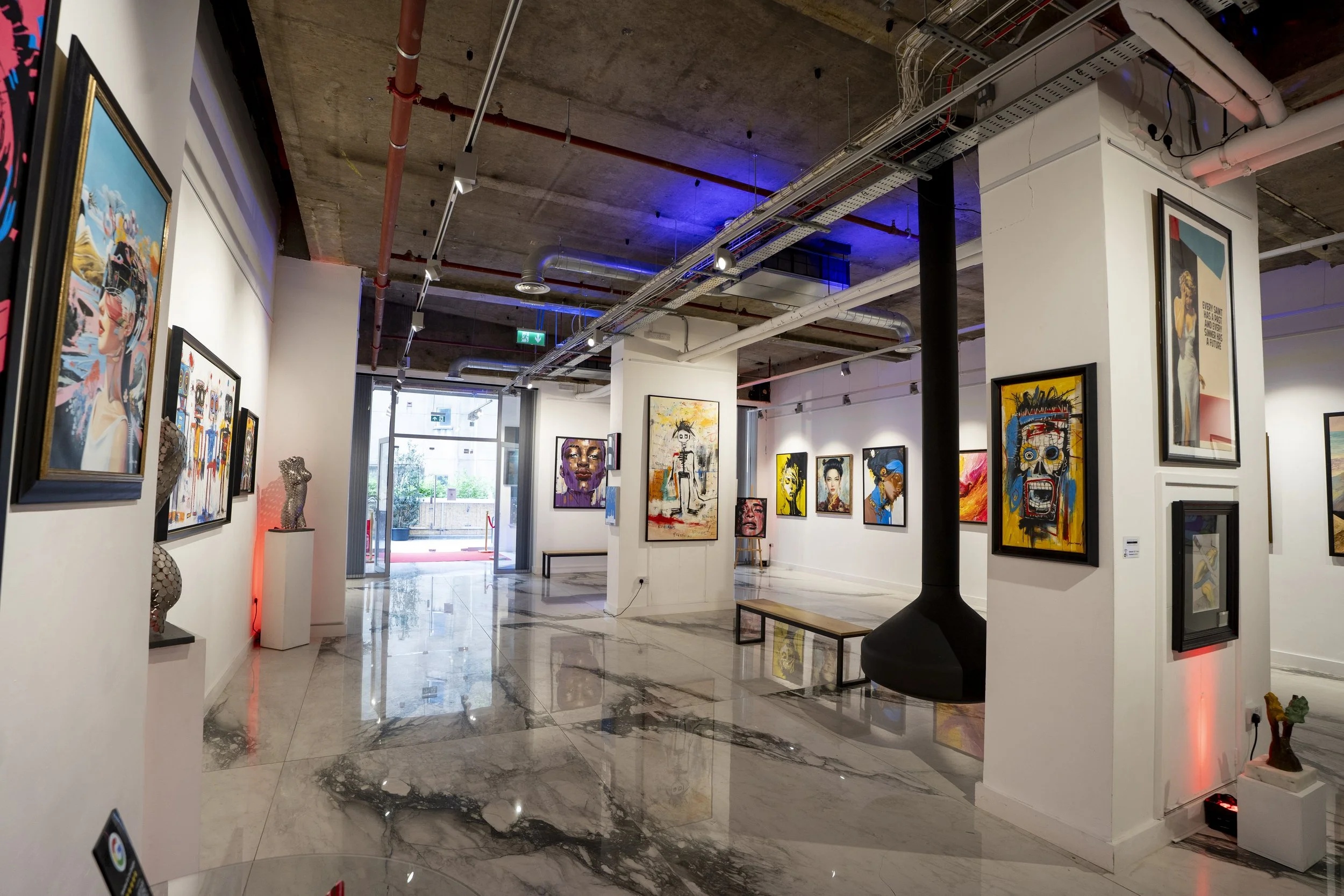
Brunswick Art Gallery, London WC1N 1AE
London has long been at the heart of the international art world, from historic institutions and renowned auction houses to contemporary galleries shaping the next generation of artists. Yet the way we discover, experience and purchase art is changing. Today’s collectors are looking beyond the traditional gallery model, seeking transparency, deeper connections with artists and a more personal approach to ownership.
At the forefront of this evolution is Kylie James, CEO of The London Art Exchange, whose career spans luxury assets, property and contemporary art. With a focus on accessibility, innovation and supporting emerging talent, James is helping to reshape how people engage with the art market.
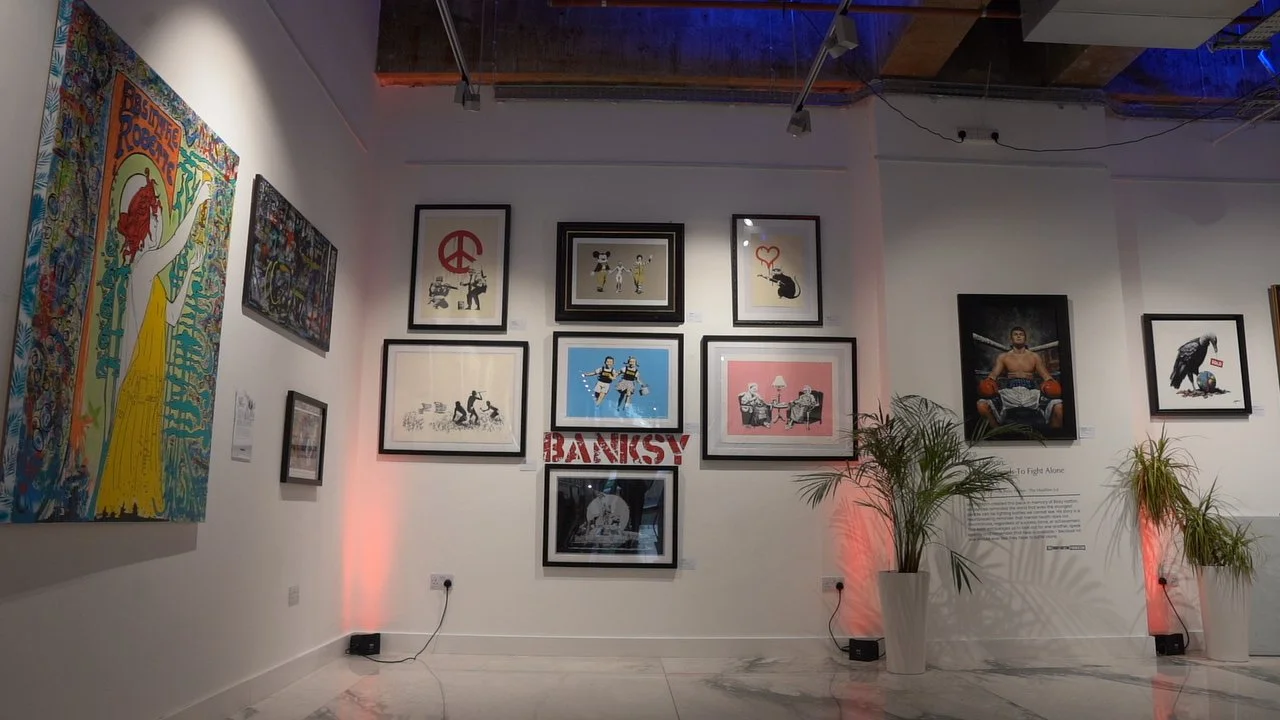
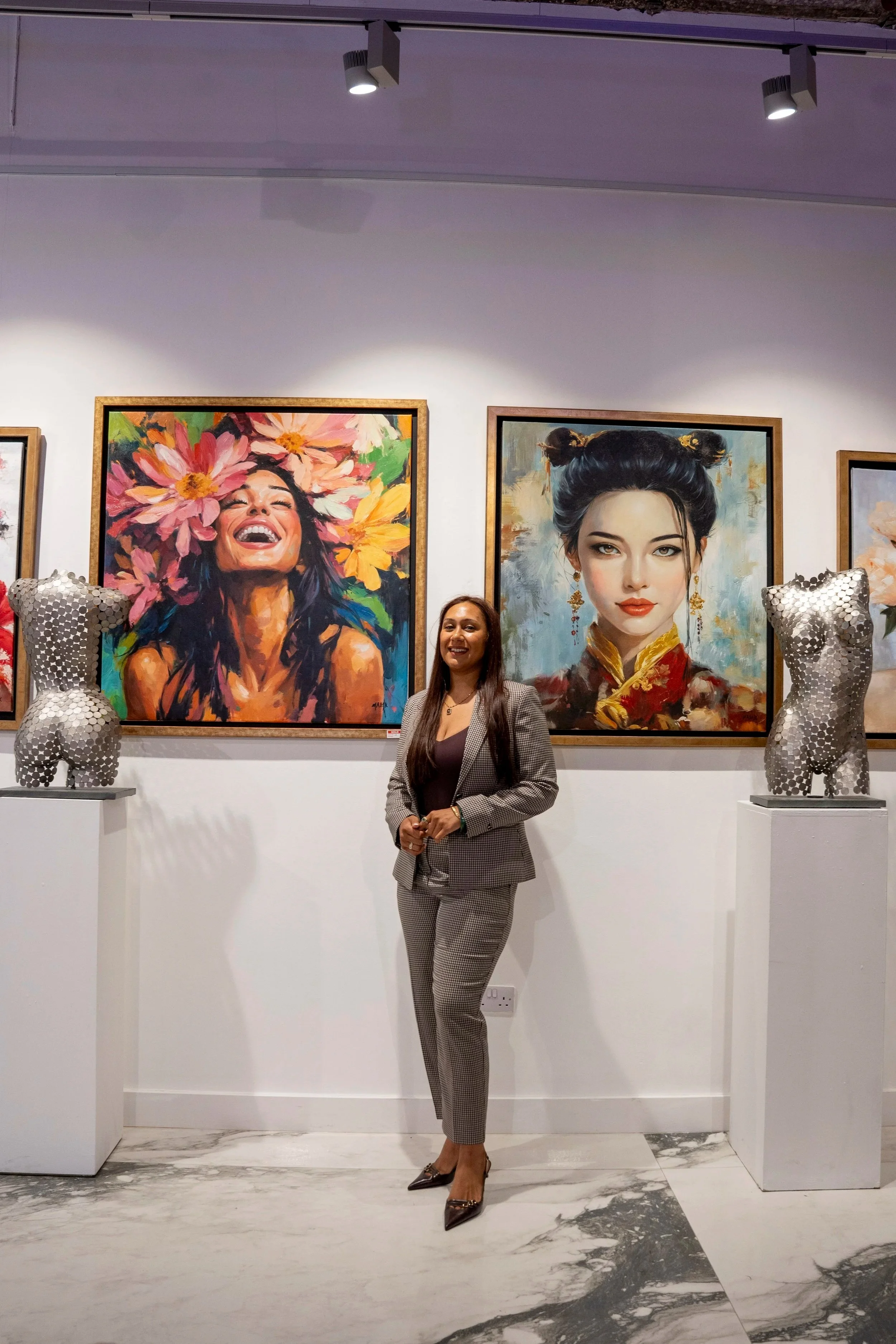
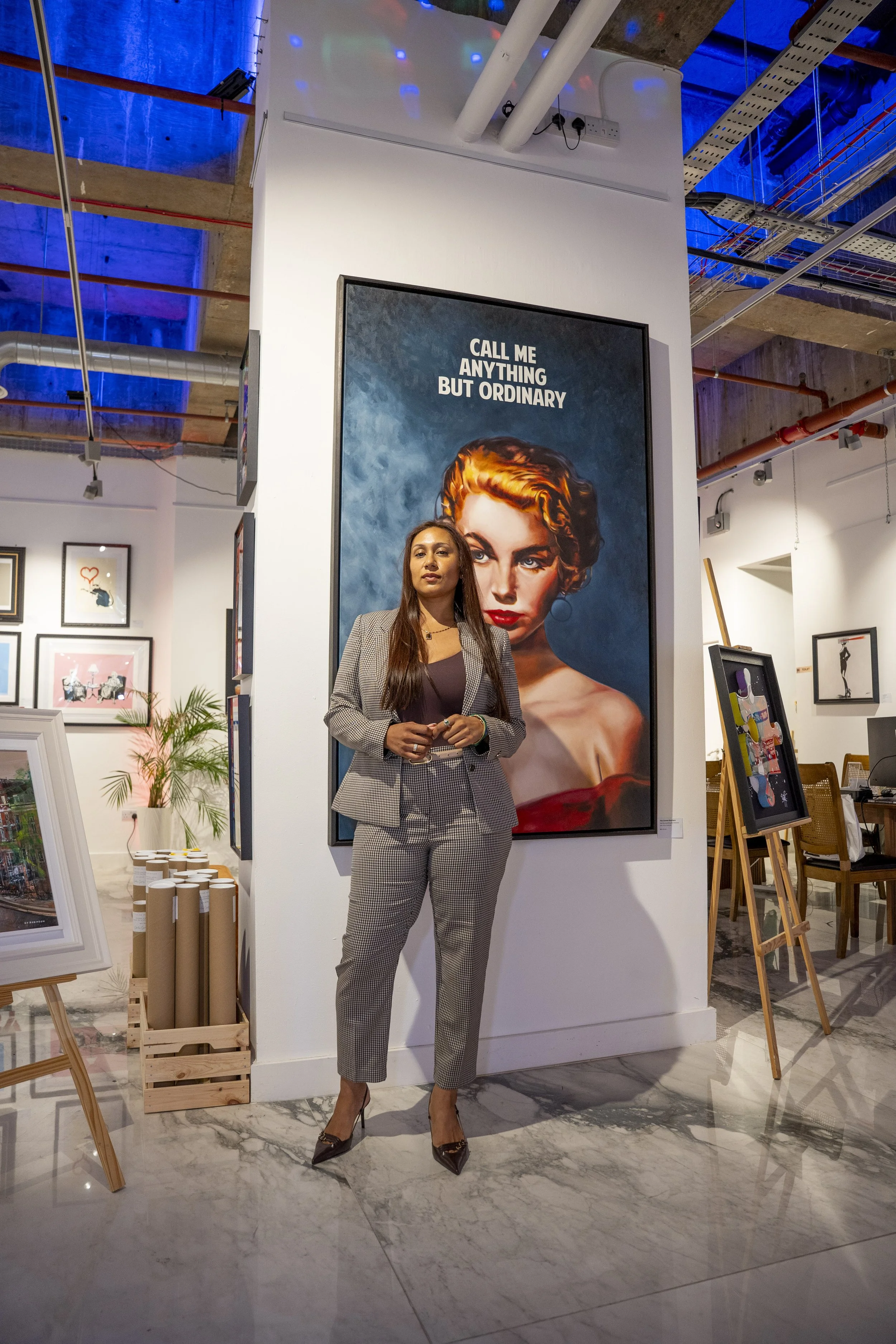
Brunswick Art Gallery
Redefining the modern gallery experience
While London remains one of the world’s most influential art capitals, James believes the traditional gallery model is undergoing a significant transformation. “London is still one of the most important art cities in the world, but the gallery model is changing,” she explains. Today’s collectors expect more than a physical space and a private viewing; they want access to information, stronger digital experiences, meaningful artist stories and relationships that continue beyond a purchase.
For James, the future belongs to galleries that successfully combine cultural expertise with technology and personal service. Physical spaces will remain essential because art needs to be experienced in person, but they will increasingly exist alongside online viewing, auctions, private advisory services, content and portfolio management.
She also believes there is an opportunity for the art world to become more welcoming. “London has an extraordinary art scene, but it can sometimes feel closed to people who did not grow up around it. There is a real opportunity to welcome a new generation of collectors without lowering standards.”
James’ own journey into the art world began with recognising a gap between talented artists and the commercial structures needed to help them thrive. “I have personally always loved art, but what drew me into the business side was seeing how disconnected many talented artists were from the commercial structures around them,” she says.
Her background in finance, property and luxury assets gave her an understanding of value, provenance, presentation and long-term strategy, but it was the human side of art that kept her engaged. “What has kept me in the art world is the people. Artists, collectors and the stories behind the work make every day different. There is always another idea, another perspective and another opportunity to create something meaningful.”
Making Art more Accessible
For many first-time buyers, entering the art market can feel intimidating. James believes the process should begin with genuine connection rather than investment alone. “Start with the work itself,” she advises, encouraging collectors to choose pieces they truly want to live with while taking the time to understand the artist, provenance and market context.
A first purchase does not need to be significant in scale; it should be considered and informed. “The right gallery or adviser should make you feel informed rather than pressured. They should explain the work, the artist and the market clearly, including any risks or limitations.”
For James, accessibility does not mean compromising quality or exclusivity. “Accessibility does not mean making art ordinary or removing its sense of occasion. It means removing unnecessary barriers.” Through digital systems, educational content and clearer client experiences, The London Art Exchange aims to create a more transparent and approachable route into collecting.
The next generation of collectors is also approaching art differently. Younger buyers are increasingly research-led, seeking authenticity, cultural relevance and a deeper understanding of the artist behind the work. “They want to know the story behind the artist, what the work represents, how the market has developed and whether the gallery itself has credibility,” James explains.
While rarity and status remain important, she believes modern collectors are looking for something more meaningful. “They are not simply buying a name. They are buying into a story, a community and, in many cases, a long-term relationship with the artist.”
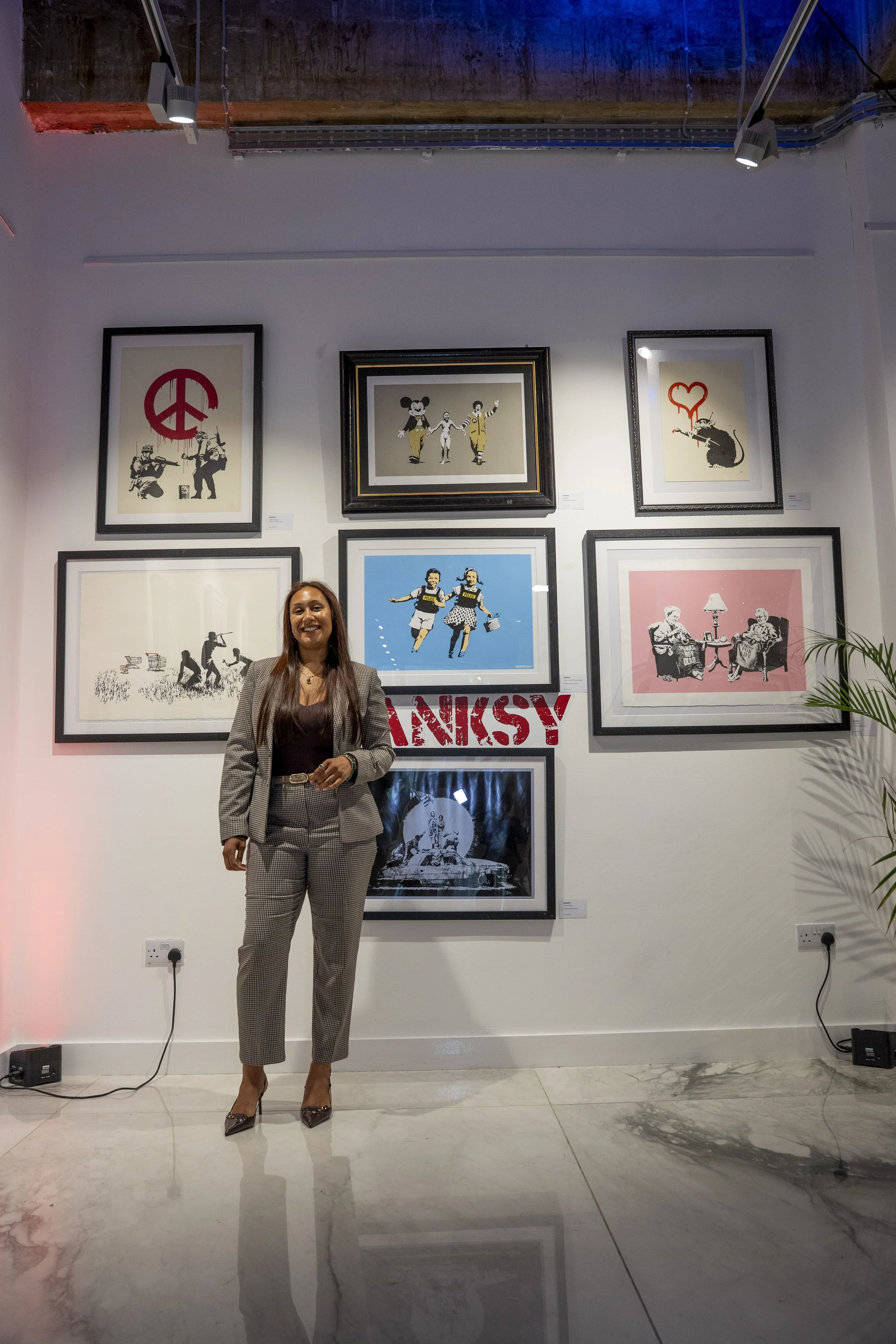
Balancing Art and Business
As one of the few women of colour leading a commercial art business in London, James’ perspective has shaped the way she approaches leadership and opportunity. She understands what it feels like to enter spaces where you may not initially appear to belong, making her particularly conscious of talent being overlooked because it does not fit traditional expectations.
“I try to judge people by the quality of their work, their discipline and their willingness to grow,” she says. For James, representation must be rooted in genuine opportunity, with artists supported through strong commercial foundations and long-term development.
That balance between creativity and business is central to her approach. “A gallery cannot support artists for the long term if it is not commercially stable. At the same time, a gallery that only follows immediate sales will eventually lose its identity.” For James, creativity creates attention, but structure allows that attention to become sustainable.
Beyond collecting and investment, she believes art plays an important role in wellbeing and connection. “A work can change the feeling of a room, bring back a memory, start a conversation or simply provide a moment of quiet.” In an increasingly digital world, the emotional impact of art remains one of its greatest strengths.
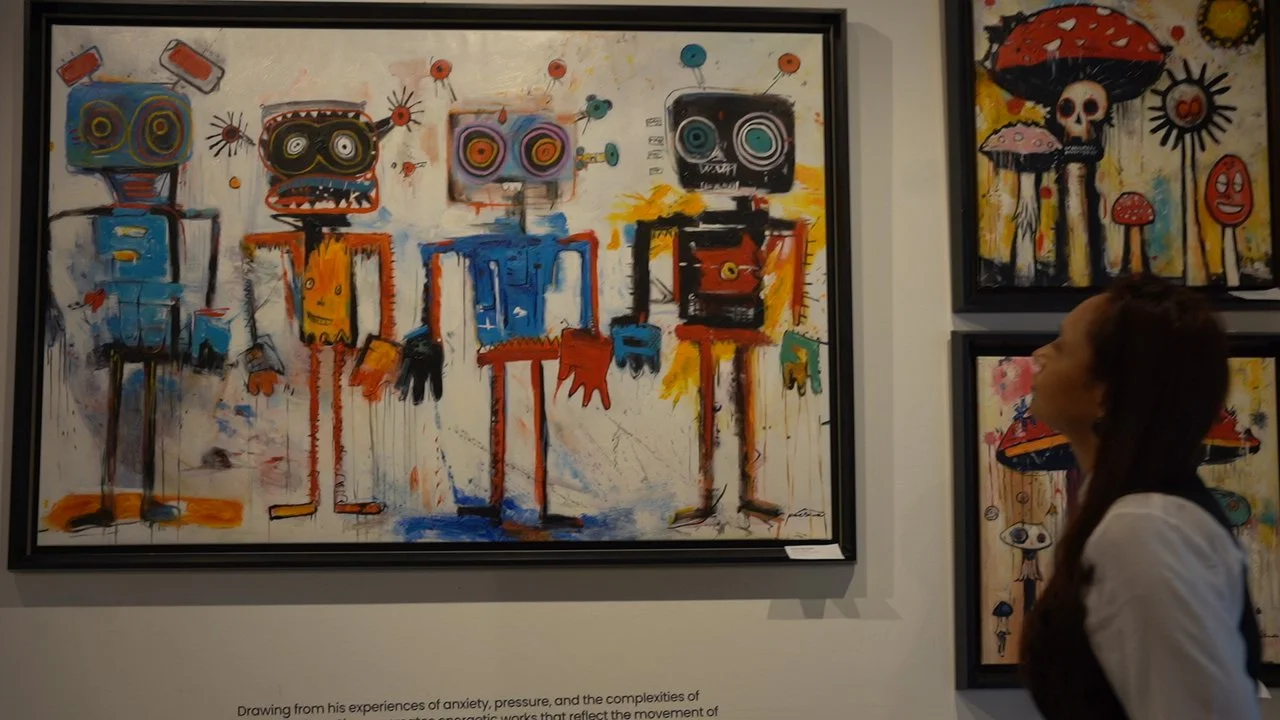
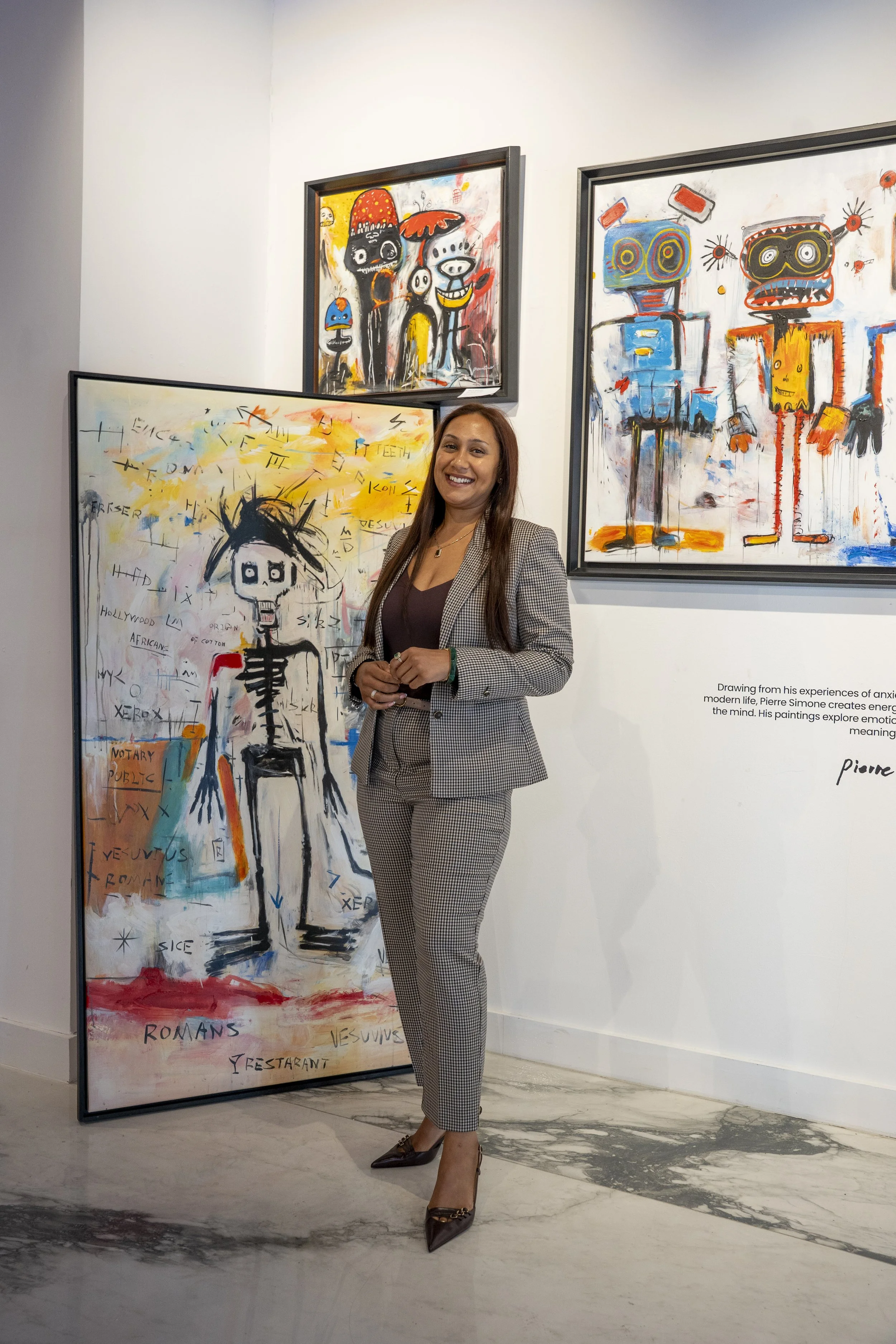
Art by Pierre Simone
London, Inspiration & the Art of Collecting
Away from the gallery, James finds inspiration in London’s streets, neighbourhoods and cultural spaces. She enjoys exploring areas such as Soho, Marylebone and Bloomsbury, where history, creativity and everyday life exist side by side. “Sometimes the best inspiration comes from observing people rather than visiting a formal cultural venue.”
If she could own any artwork purely for personal enjoyment, James would choose a piece by Jean-Michel Basquiat, drawn to the energy, intelligence and emotional depth within his work. Rather than selecting the most famous or valuable piece, she would choose something that continues to reveal itself over time. “The best art continues to speak to you differently as your own life changes.”
As the art world continues to evolve, Kylie James represents a new generation of leaders redefining how we discover, experience and collect art. For today’s collectors, the future is not simply about ownership, but about connection, storytelling and the enduring relationship between people and creativity.
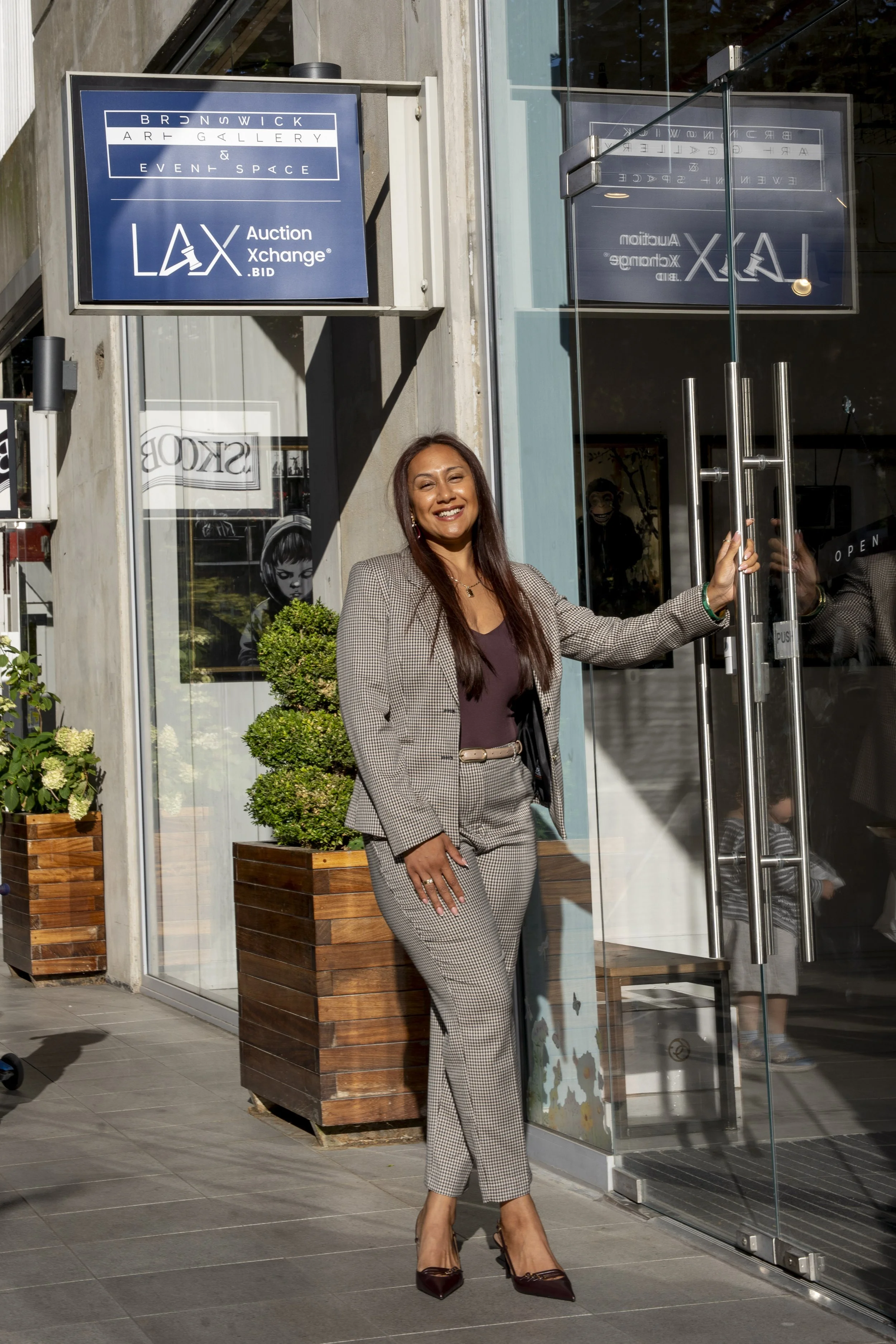
Visit The Brunswick Art Gallery:
68 The Brunswick Centre, Bloomsbury, London, WC1N 1AE