ACCOUTER DUBAI: THE DESIGN PHILOSOPHY BEHIND ATLANTIS THE ROYAL RESIDENCES
Thursday 6th August 2026
Luxury today is no longer measured by extravagance alone. The most exceptional residences are those that create an emotional connection, where thoughtful design, enduring craftsmanship and a sense of place come together to shape the way we live. It is an approach that feels increasingly relevant across the world's most prestigious addresses, from the elegant streets of Mayfair to Dubai's striking waterfront skyline.
Few developments embody this evolution more than Atlantis The Royal Residences, one of Dubai's most celebrated residential destinations. Designed to complement one of the city's most iconic architectural landmarks, the interiors reflect a new language of luxury - one that favours restraint over excess and lasting quality over fleeting trends.
We spoke with Charlotte Munn, Design Director at Accouter Dubai, about creating residences that feel timeless, the rise of quiet luxury, and why the future of high-end interiors is rooted in authenticity.
Designing an Icon Without Competing With It
With Atlantis The Royal already established as one of Dubai's most recognisable architectural landmarks, the vision for the interiors was never to compete with its striking design, but to complement and enhance it.
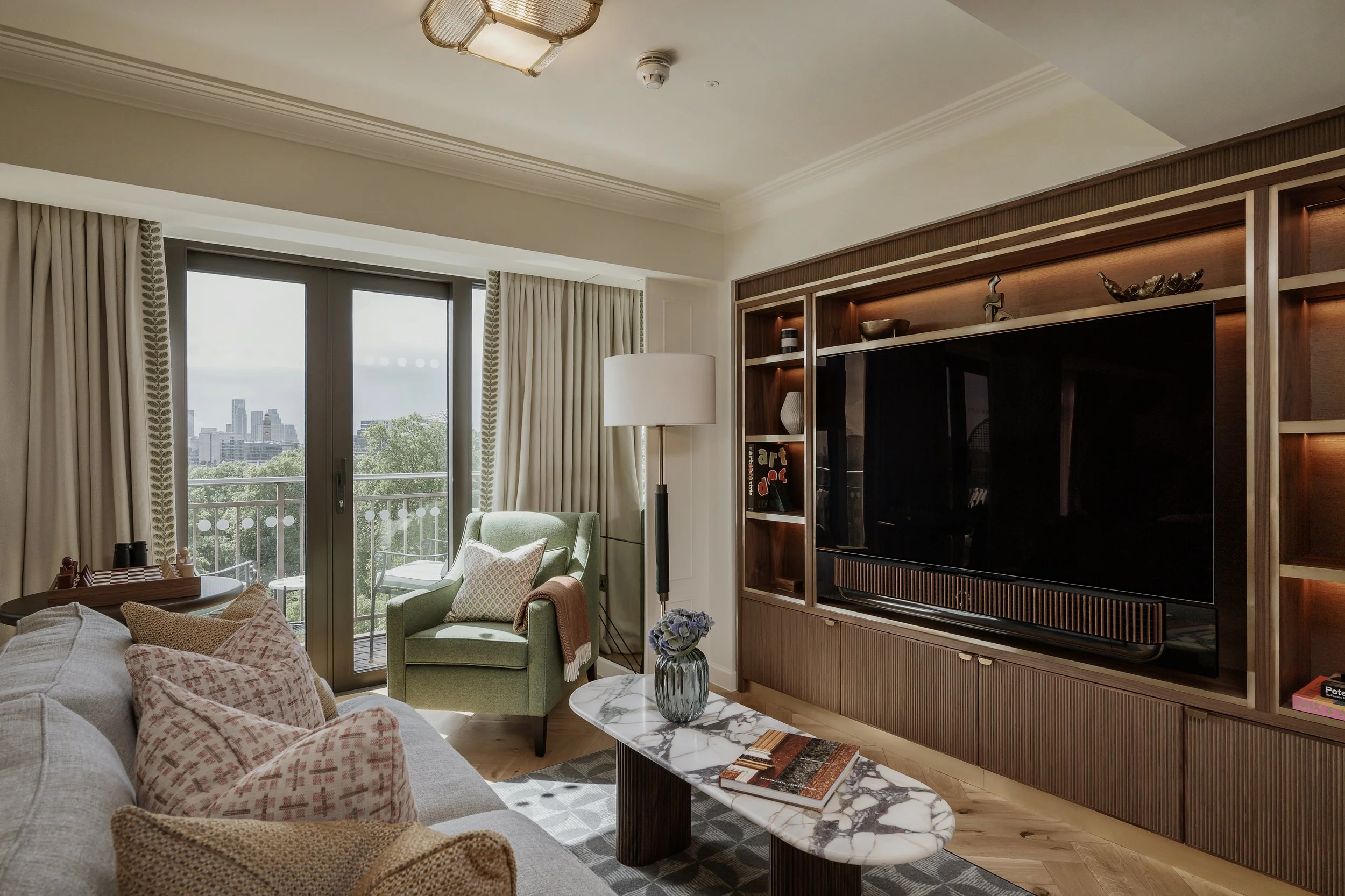
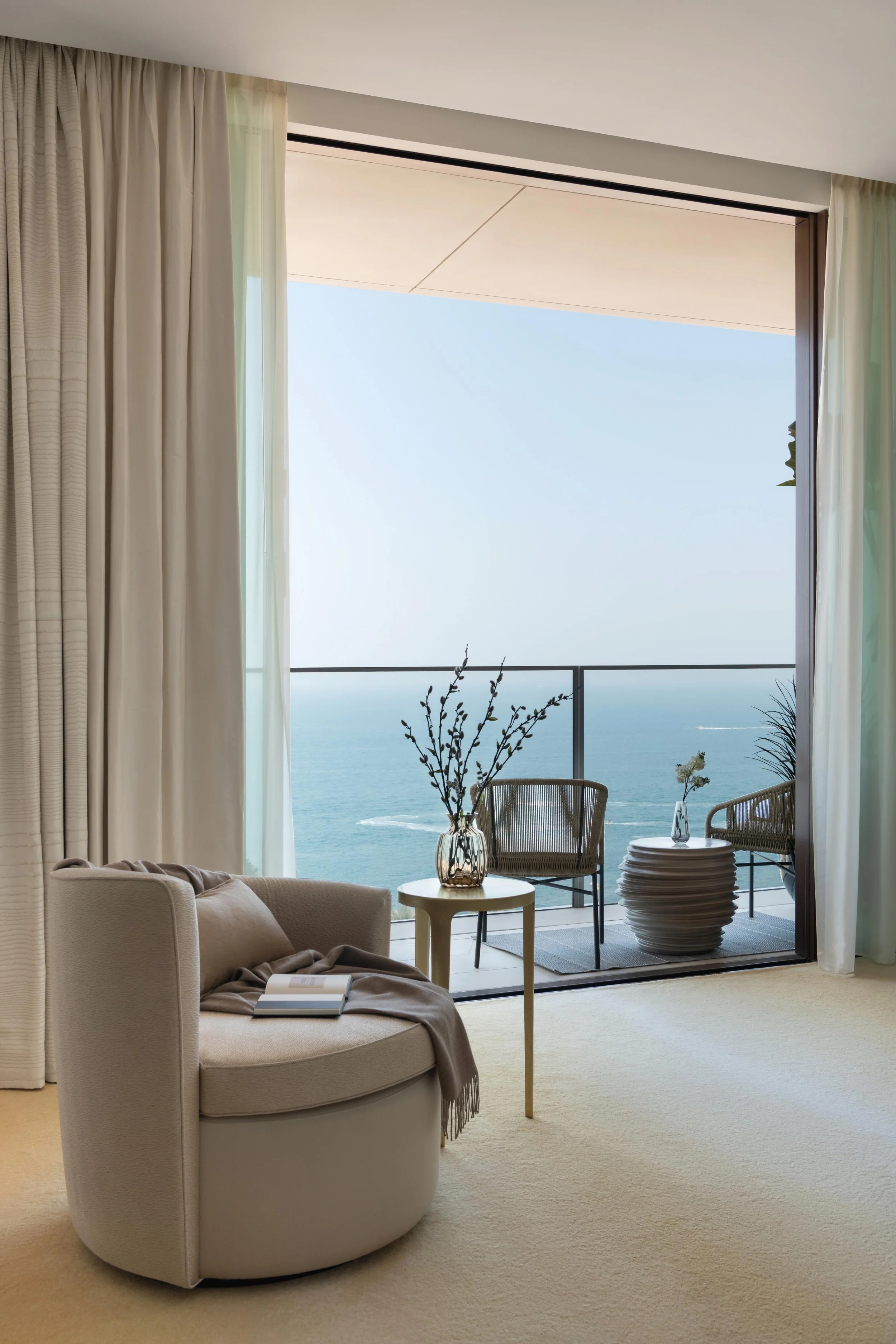
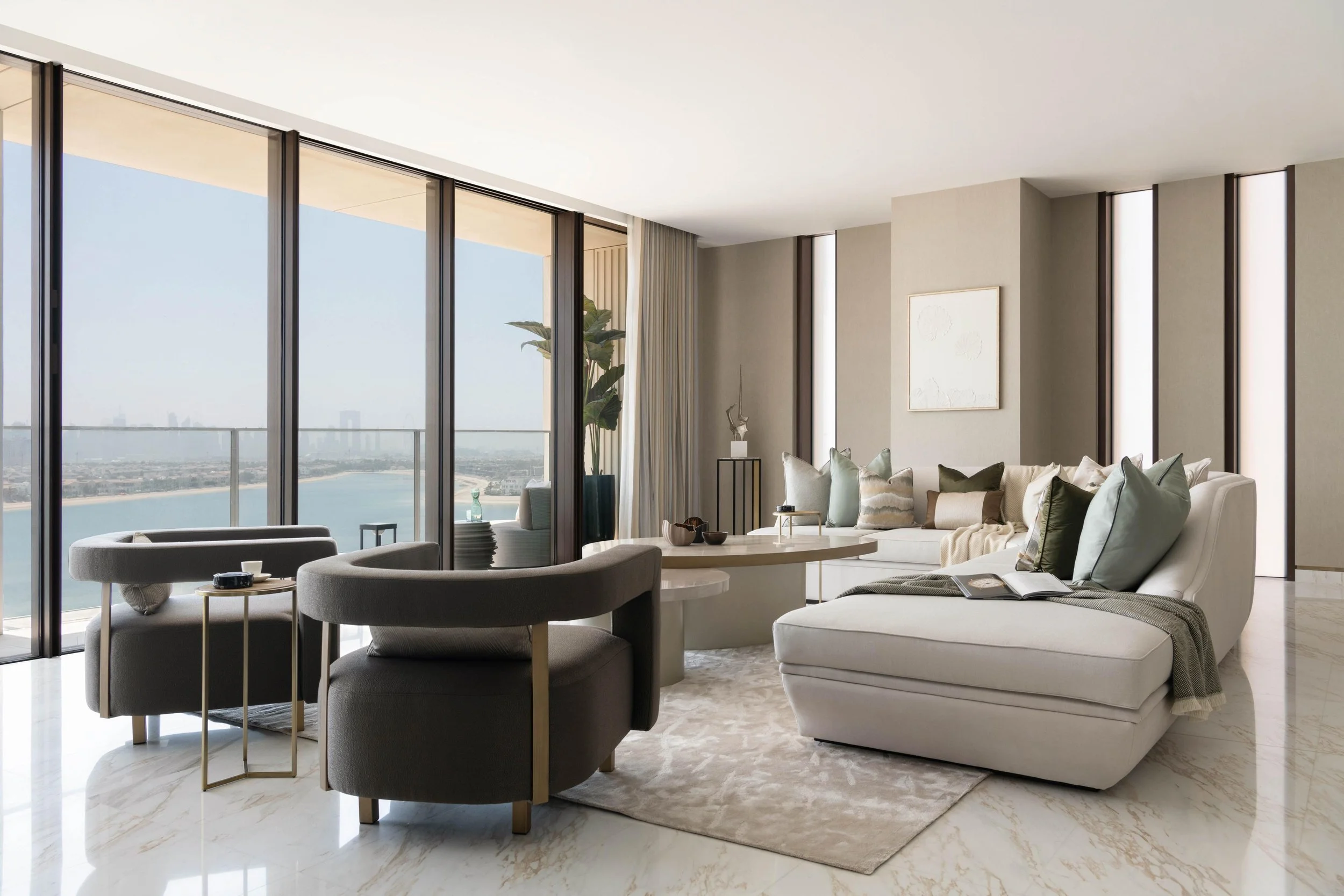
For Munn, the focus was on creating residences that feel both elevated and effortless, where exceptional craftsmanship and understated luxury shape the everyday experience. "Atlantis The Royal is an icon in its own right, so rather than compete with the architecture, we sought to complement it, allowing the interiors to enhance the experience of the residence through understated luxury, great craftsmanship and a sense of effortless calm," she explains.
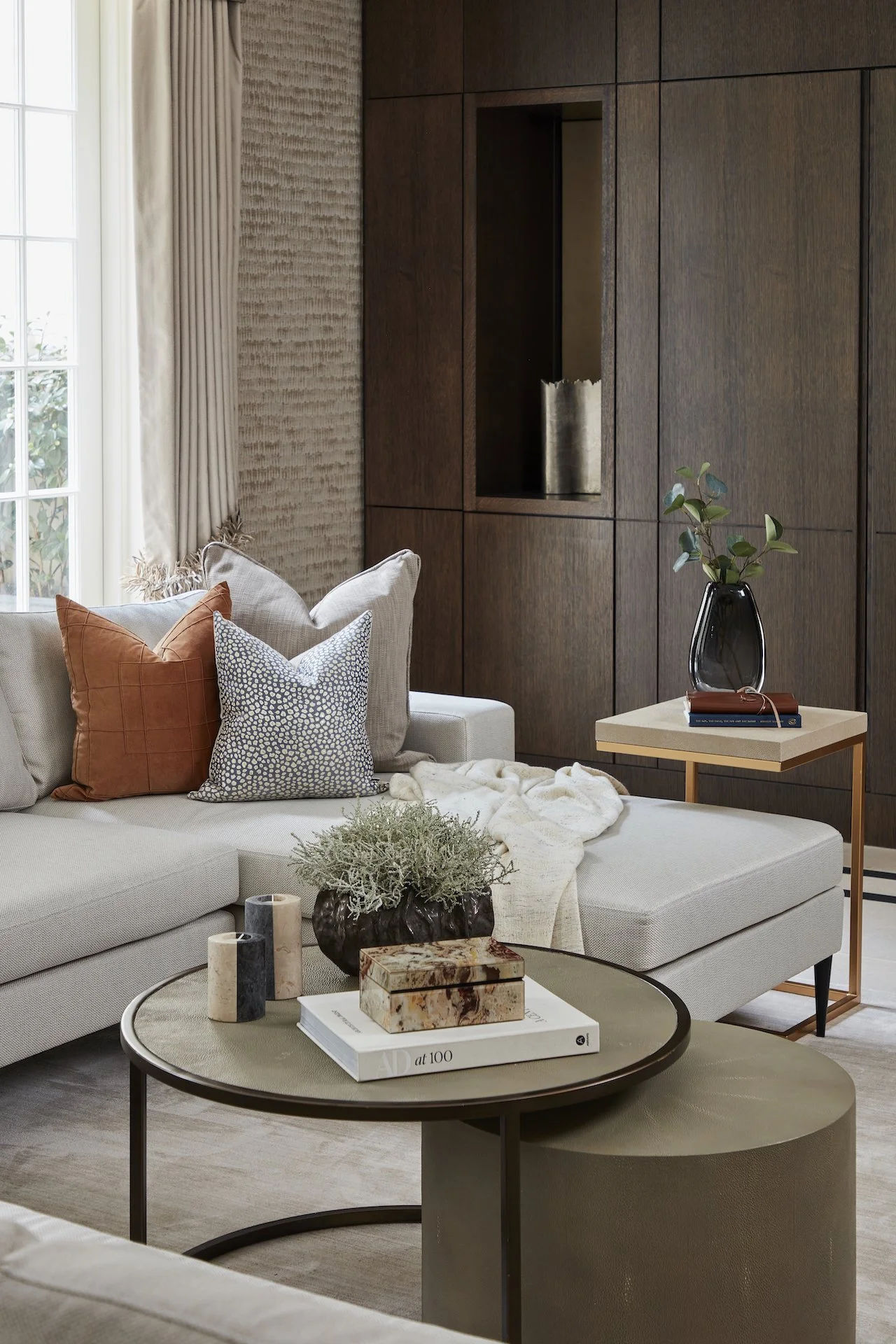
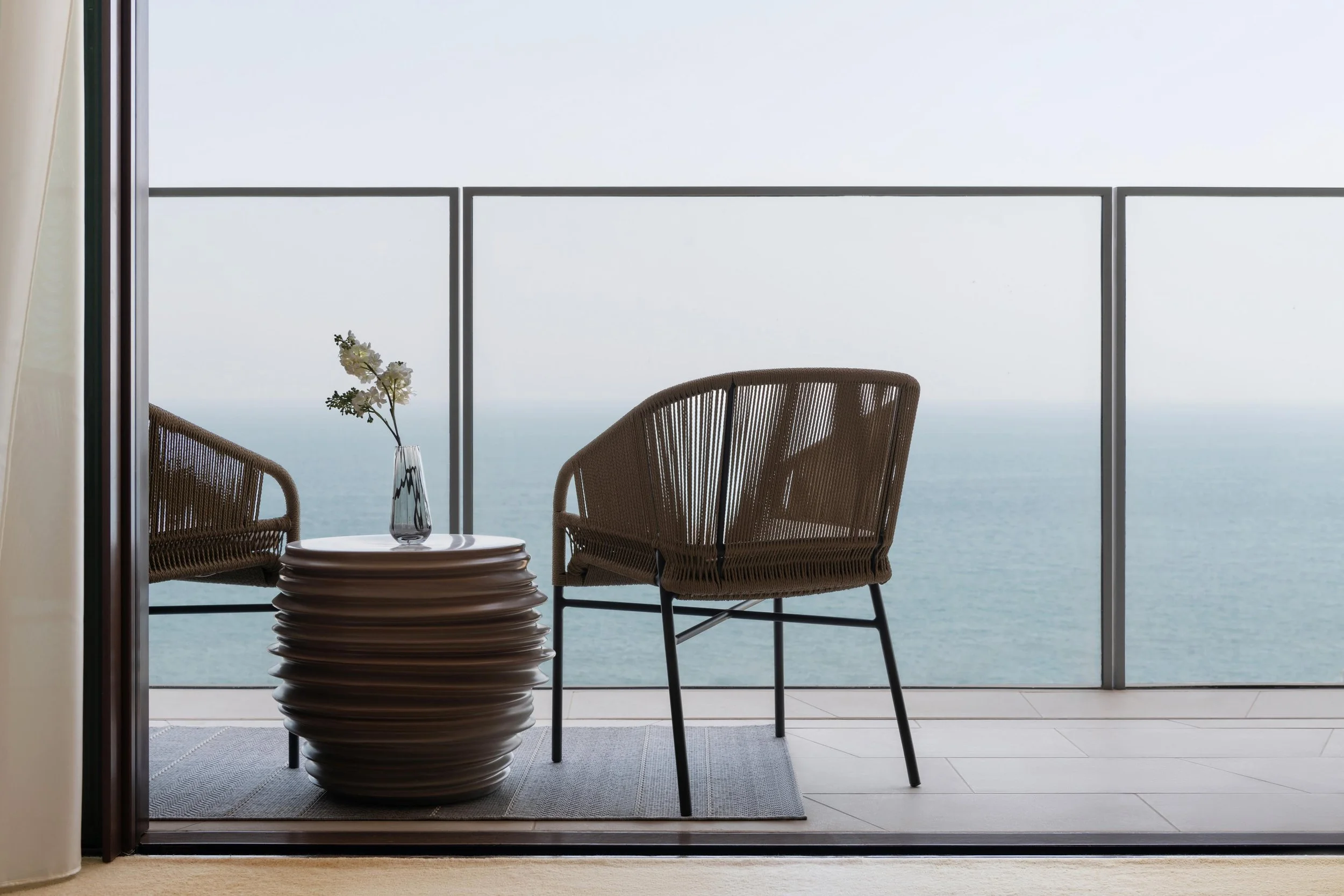
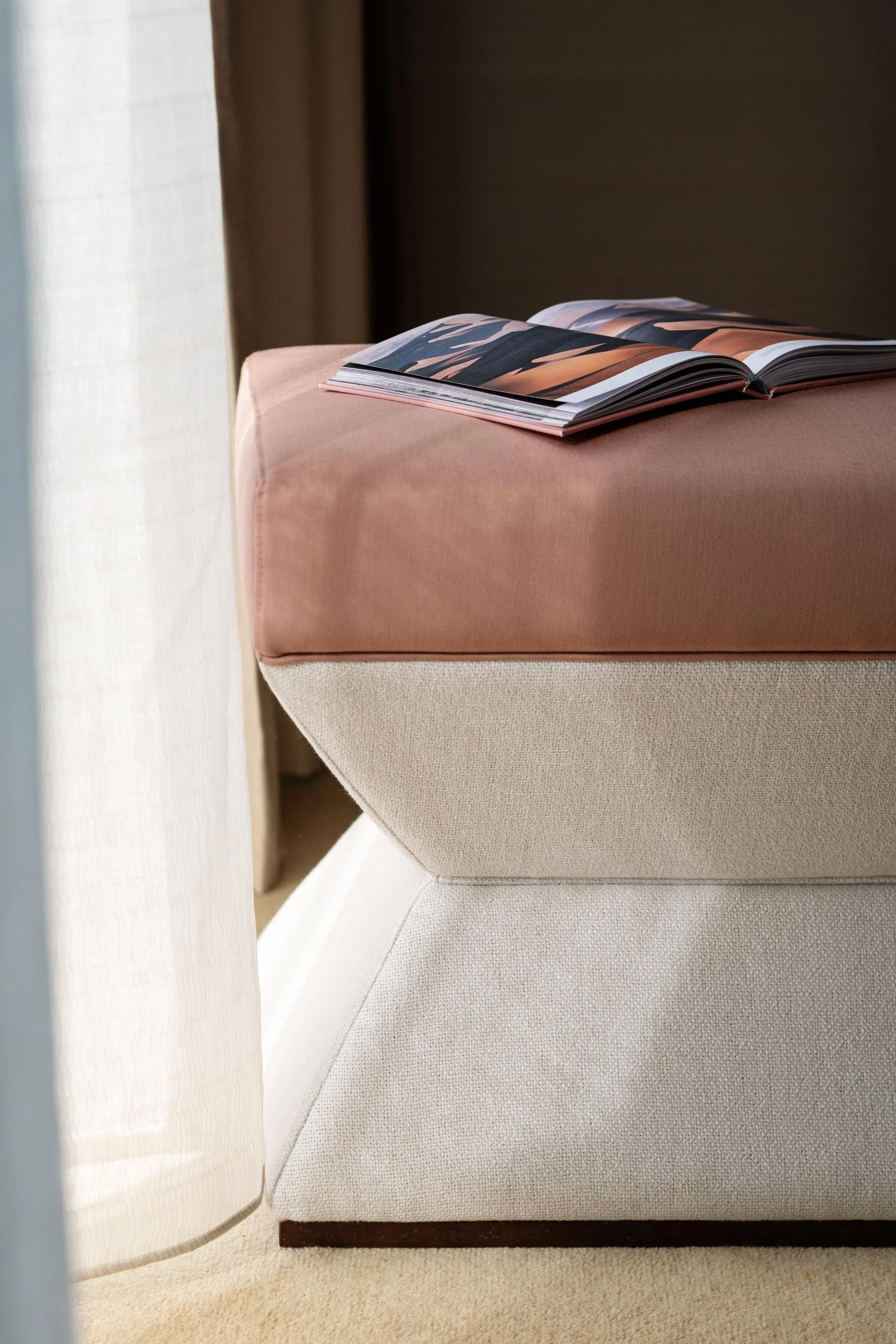
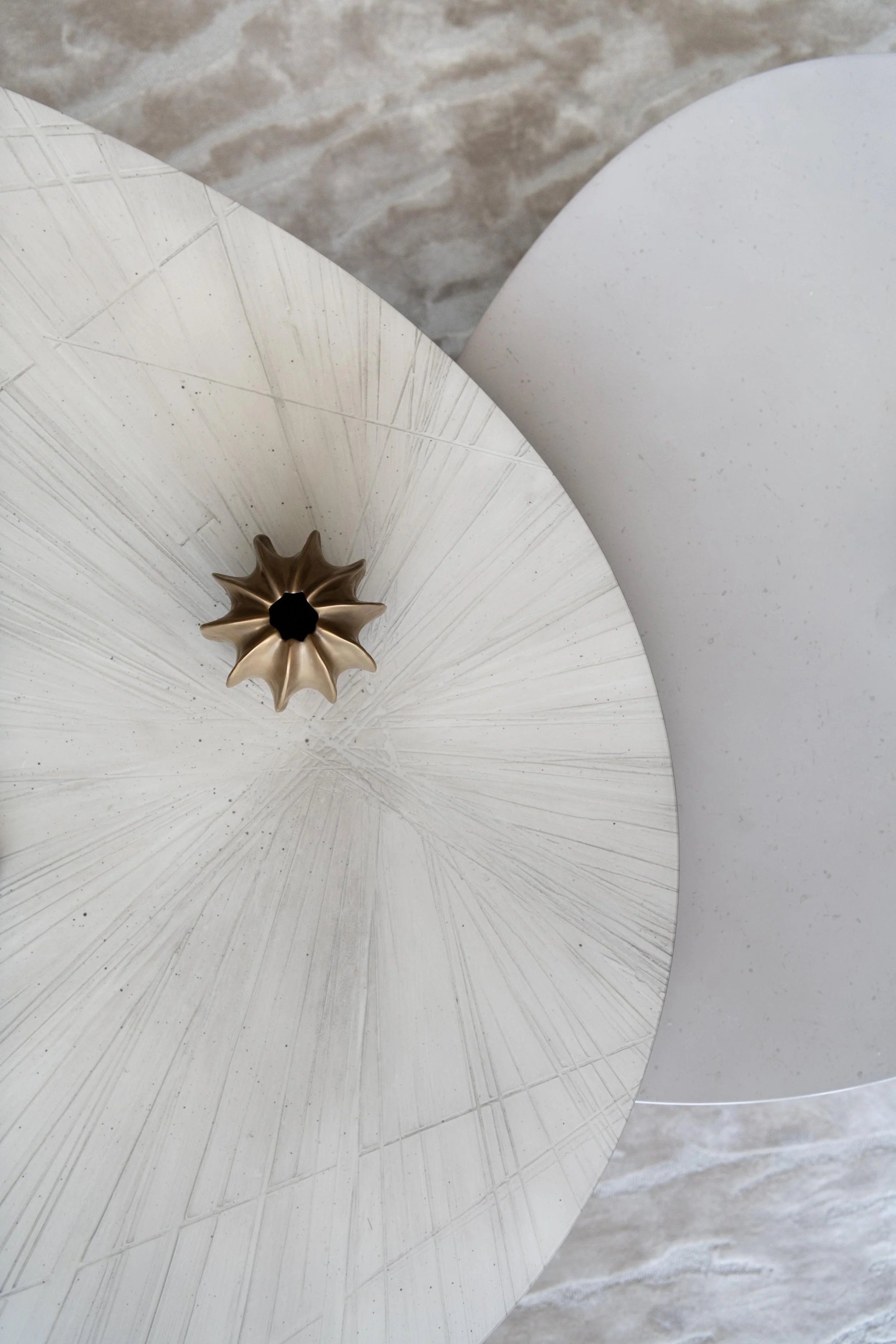
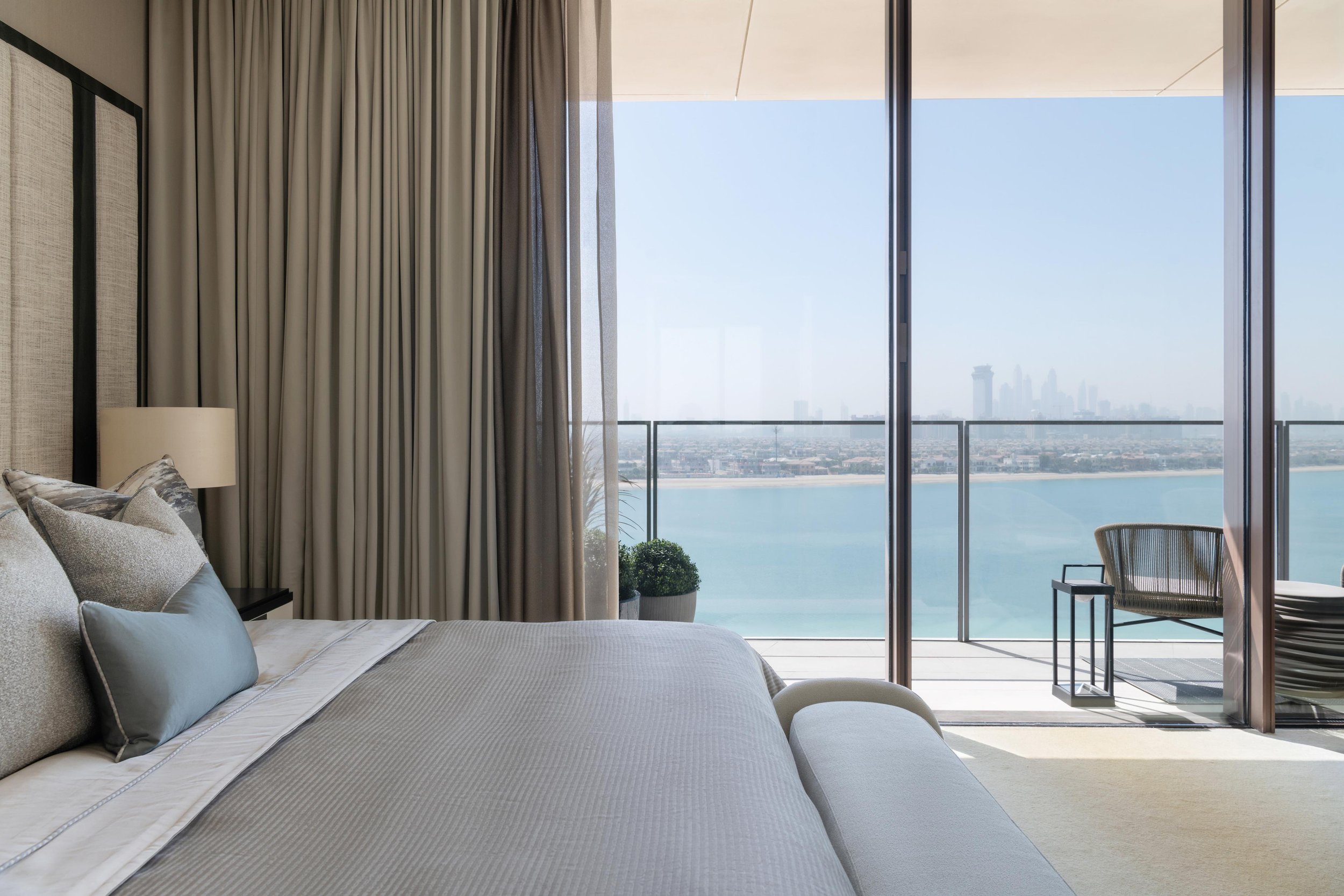
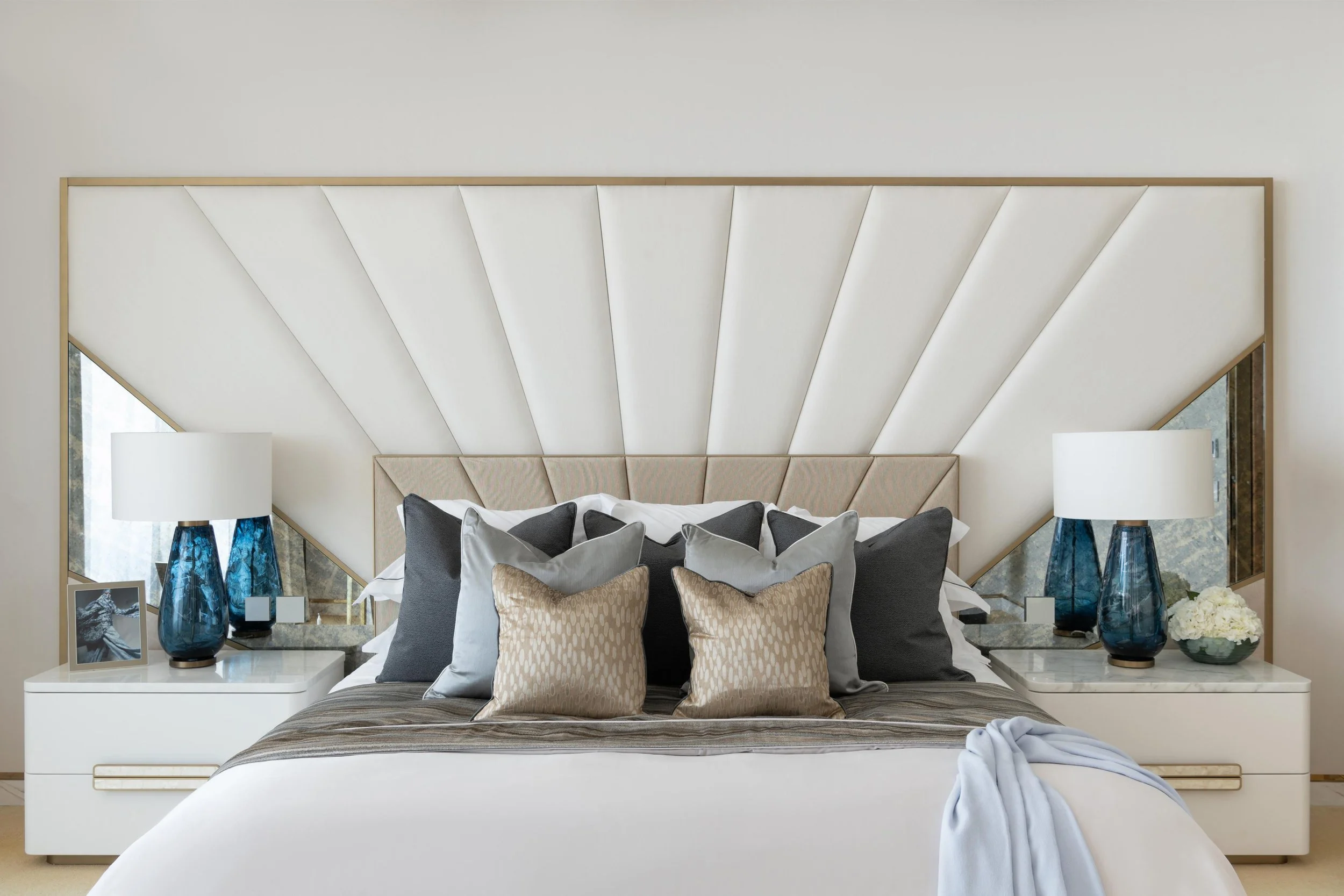
For Munn, the surrounding landscape became just as influential as the architecture itself. Perched above the Arabian Gulf, where expansive views of water and sky create a rare sense of serenity, the interiors were conceived to echo the natural beauty of their setting. "We wanted to capture this contrast by introducing a palette inspired by the UAE's natural landscape - soft sands, warm stone, muted bronzes and oceanic blues – layered through tactile materials, subtle textures and bespoke detailing," she says. The result is a refined interior language that feels intrinsically connected to place, balancing contemporary luxury with enduring elegance.
Why Quiet Luxury Is Defining the Next Generation of Interiors
The definition of luxury itself is evolving. Rather than creating homes designed purely to impress, Munn sees a growing emphasis on spaces that enrich everyday life through thoughtful design and emotional connection. "We're seeing a shift away from luxury being defined by excess, towards luxury being defined by experience," she says. "Homeowners are increasingly seeking spaces that feel deeply personal, emotionally restorative and designed around the way they live, rather than simply making a visual statement."
Although Dubai has traditionally celebrated bold, statement-making interiors, Munn observes a growing shift towards understated sophistication. Today's luxury clients, she says, are placing greater value on craftsmanship, authenticity and design narratives that stand the test of time. "There is a growing appreciation for quieter, more enduring interiors, with a movement of quiet luxury becoming prevalent," she notes. "Natural stone, richly layered textures, bespoke joinery and beautifully considered detailing are replacing decorative excess, creating homes with character and longevity."
Internationally, the same philosophy continues to gain momentum.
"Clients are prioritising quality over quantity, choosing pieces and materials that will age gracefully and remain relevant for decades. Ultimately, the future of high-end residential design is centred on creating homes that not only look beautiful but evoke a genuine sense of comfort, narrative connection and lasting value."
Where Mayfair Meets Dubai
From the historic elegance of Mayfair to Dubai's striking contemporary skyline, luxury takes on distinct forms shaped by place and culture. Yet, according to Munn, both destinations are united by an appreciation for exceptional design. "Mayfair interiors are often rooted in architectural heritage, celebrating craftsmanship, proportion and understated luxury," she explains. "Dubai, by contrast, embraces a more contemporary architectural language, with expansive spaces, abundant natural light and a seamless connection between indoors and out."
While the visual expression of luxury may differ, Munn suggests that the values underpinning exceptional design remain universal. "There is a shared appreciation for bespoke design and interiors that possess authenticity and a strong sense of place," she explains. "In both destinations, luxury is defined by thoughtful design, enduring quality and meticulous attention to detail."
For Munn, the most successful homes are those that respond intuitively to their surroundings while remaining deeply personal to those who live within them. "Whether set within the historic streets of Mayfair or overlooking the Arabian Gulf, the ambition is the same: to create interiors that feel everlasting, effortless and uniquely individual," she says.
The Mayfair Musings Perspective
As the definition of luxury continues to evolve, the conversation is moving beyond statement pieces and showstopping architecture towards spaces that offer permanence, authenticity and emotional resonance. It is a philosophy that resonates as strongly in London's most prestigious postcodes as it does across Dubai's extraordinary skyline.
Atlantis The Royal Residences demonstrate that true luxury is often found in restraint - where impeccable craftsmanship, thoughtful materials and timeless design create homes that feel as relevant decades from now as they do today.